What Are The Causes Of Lung Cancer Other Than Smoking - Smoking And Cancer | Z-Cancer Foundation Cameroon / In these individuals, radon gas exposure can accelerate the development of lung cancer.. It's responsible for 87% of lung cancer deaths. Smoking is the leading cause of premature, preventable death in this country. Every time a person takes a puff of a cigarette, 7000 chemicals enter the lungs and spread to other parts of the body, including 69 known carcinogens. Cigarette smoking is causally related to several cancers, particularly lung cancer, yet for some cancers there are inconsistent associations. Asbestos, diesel fumes, arsenic, and air pollution are also recognized as causes of lung cancer.
Cigarette smoking is causally related to several cancers, particularly lung cancer, yet for some cancers there are inconsistent associations. Pollution from vehicle exhaust, power plants, wood stoves, and other sources contain tiny particles that can also contribute to lung cancer. Smoking causes more than 7 in 10 lung cancer cases in the uk. The risk of developing lung cancer is cut in half ten years after a smoker quits, the cdc estimates. (0:52) cigarette smoking is an obvious risk factor for lung cancer;
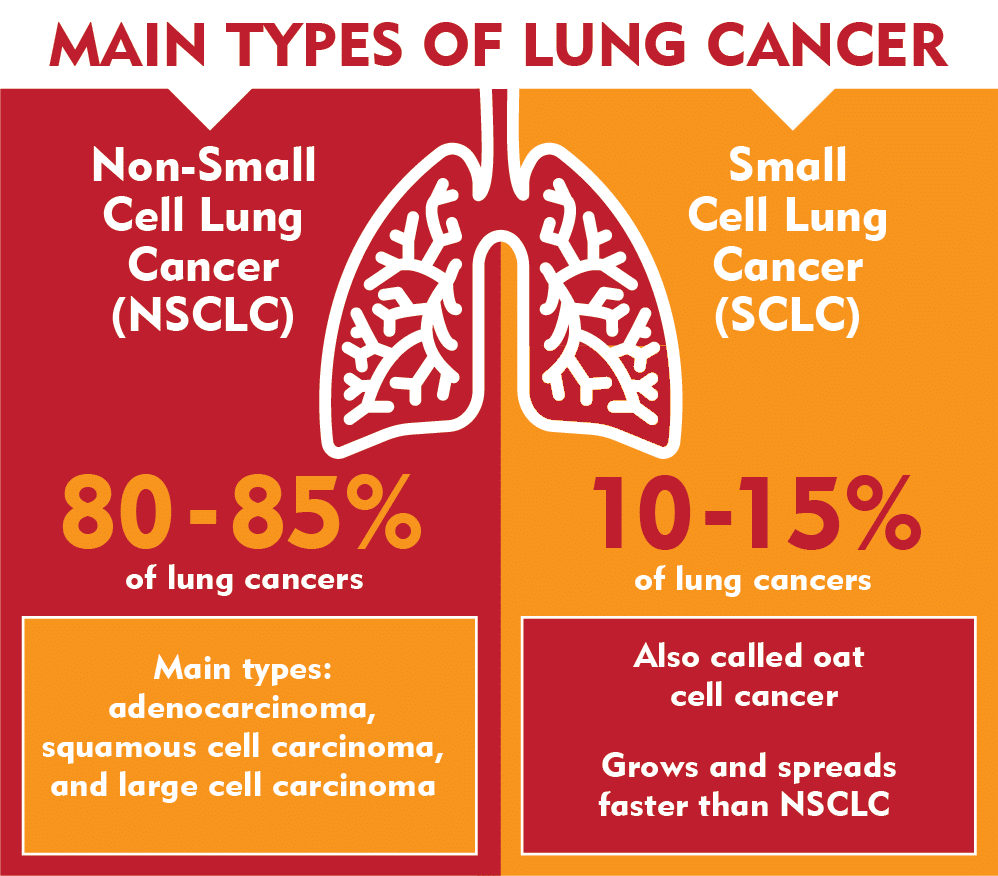
TYPES OF LUNG CANCER: NSCLC vs SCLC from madeksholaw.com Family history of lung cancer. The clean air act has greatly reduced air pollution—and. Cigarette smoking is causally related to several cancers, particularly lung cancer, yet for some cancers there are inconsistent associations. Exposure to asbestos, radon and secondhand smoke. Other risk factors and what to do environmental causes are not the only risk factors of lung cancer, and things like genetic predisposition and radiation exposure can also increase the likelihood of getting this disease. Cigarette smoking is responsible for 80% to 90% of all lung cancer cases, making it the top cause of the disease. Asbestos exposure, radon exposure, and family history can all increase your risk of developing lung cancer. Cigarette smoking is the number one risk factor for lung cancer;
Smoking is the leading cause of premature, preventable death in this country.
In lung cancers that occur in smokers, we see certain kinds of changes — more immune activation in lung cancer than we see in nonsmokers. This ecologic approach relating cigarette smoking to cancer. Is lung cancer only caused by smoking? Using other tobacco products such as cigars or pipes also increases the risk for lung cancer. Radon is considered the second most common environmental cause of lung cancer after smoking. Pollution from vehicle exhaust, power plants, wood stoves, and other sources contain tiny particles that can also contribute to lung cancer. People with a parent, sibling or child with lung cancer have an increased risk of the disease. This study investigates the association of smoking with other cancers by correlating them with the regional incidence rates for lung cancer, which was used as a proxy for cigarette smoking. Your chance of still being alive five years after being diagnosed is less than 1 in 5. Cigarette smoking is the number one risk factor for lung cancer. Smoking is the most common cause of lung cancer. Other than smoking, causes of lung cancer include: Cigarette smoking is responsible for 80% to 90% of all lung cancer cases, making it the top cause of the disease.
It's responsible for 87% of lung cancer deaths. That are attributable to passive smoking. Smoking cigars causes lung cancer and increases the risk of cancers of the mouth, throat, larynx, and esophagus. Here are some of the facts on smoking and cancer. More than 12% of people newly diagnosed with lung cancer never smoked cigarettes smoking cigarettes is the biggest risk factor for lung cancer and causes about 80% of deaths from the disease.
Recognizing Lung Cancer Awareness Month - Merit Medical from www.merit.com Radon gas that occurs in the environment is the second leading cause of lung cancer in the us. Smokeless tobacco products, such as dipping and chewing tobacco, can cause cancer, too, including cancers of the esophagus, mouth and throat, and pancreas. Workplace exposure to asbestos and other substances known to cause cancer — such as arsenic, chromium and nickel — can increase your risk of developing lung cancer, especially if you're a smoker. Lung cancer is the most common cause of cancer death. Smokers have a compounded risk; Treatments are getting better, but lung cancer still kills more men and women than any other type of cancer. Cigarette smoking is causally related to several cancers, particularly lung cancer, yet for some cancers there are inconsistent associations. Smoking causes more than 7 in 10 lung cancer cases in the uk.
It's responsible for 87% of lung cancer deaths.
Lung cancer in people who don't smoke can be caused by exposure to radon, secondhand smoke, air pollution, or other factors. Here are some of the facts on smoking and cancer. According to some researchers, 90% of cases can be attributed to this habit.the risk of developing the disease is greater in men than in women and, despite attempts in this regard, there's no consensus on the average number of packs smoked per year that could cause the carcinogenic manifestation. People with a parent, sibling or child with lung cancer have an increased risk of the disease. Pollution from vehicle exhaust, power plants, wood stoves, and other sources contain tiny particles that can also contribute to lung cancer. Is lung cancer only caused by smoking? But, lung cancers are also linked to factors other than cigarette smoke. Radon gas that occurs in the environment is the second leading cause of lung cancer in the us. People who smoke sometimes have a cough. Cigarette smoking is the number one risk factor for lung cancer. The clean air act has greatly reduced air pollution—and. Family history of lung cancer. The deadliest cancer in the united states is lung cancer:
Tobacco smoke is a toxic mix of more than 7,000 chemicals. Exposure to high levels of radon can cause lung cancer. The deadliest cancer in the united states is lung cancer: Smokers have a compounded risk; In these individuals, radon gas exposure can accelerate the development of lung cancer.
Report: Smoking Causes Nearly Half of Deaths From 12 Types ... from www.conehealth.com According to some researchers, 90% of cases can be attributed to this habit.the risk of developing the disease is greater in men than in women and, despite attempts in this regard, there's no consensus on the average number of packs smoked per year that could cause the carcinogenic manifestation. Workplace exposures to asbestos, diesel exhaust or certain other chemicals can also cause lung cancers in some people who don't smoke. But people who don't smoke can develop lung cancer too. Pollution from vehicle exhaust, power plants, wood stoves, and other sources contain tiny particles that can also contribute to lung cancer. Smoking cigars causes lung cancer and increases the risk of cancers of the mouth, throat, larynx, and esophagus. Cigarette smoking is the number one risk factor for lung cancer; Exposure to high levels of radon can cause lung cancer. 6 secondhand smoke is the combination of smoke from the burning end of a cigarette and the smoke breathed out by someone smoking.
Smoking causes the majority of lung cancers — both in smokers and in people exposed to secondhand smoke.
Here are some of the facts on smoking and cancer. Radiation exposure can also cause lung cancer. Workplace exposure to asbestos and other substances known to cause cancer — such as arsenic, chromium and nickel — can increase your risk of developing lung cancer, especially if you're a smoker. Cigarette smoking is responsible for 80% to 90% of all lung cancer cases, making it the top cause of the disease. Exposure to high levels of radon can cause lung cancer. Lung cancer is the most common cause of cancer death. Smokeless tobacco products, such as dipping and chewing tobacco, can cause cancer, too, including cancers of the esophagus, mouth and throat, and pancreas. That are attributable to passive smoking. This ecologic approach relating cigarette smoking to cancer. But lung cancer also occurs in people who never smoked and in those who never had prolonged exposure to secondhand smoke. In the united states, more than 7,300 nonsmokers die each year from lung cancer caused by secondhand smoke. Aside from increasing the risk of cancer and other diseases, smoking also may have a significant impact on cancer treatment, symptoms and side effects. Lung cancer in people who don't smoke can be caused by exposure to radon, secondhand smoke, air pollution, or other factors.